

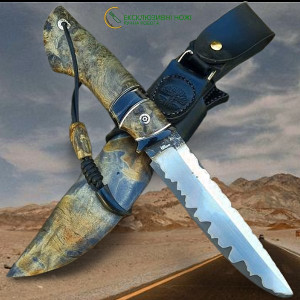
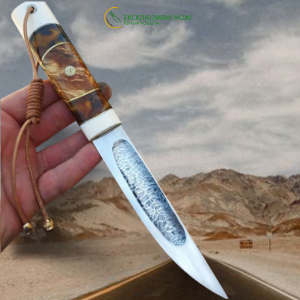
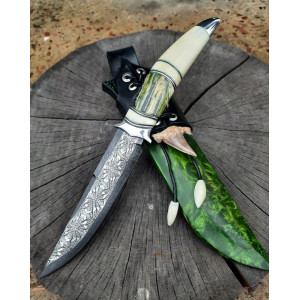
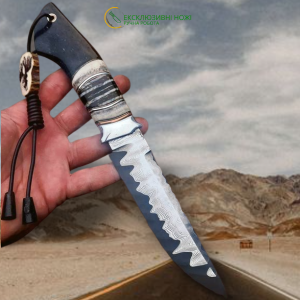
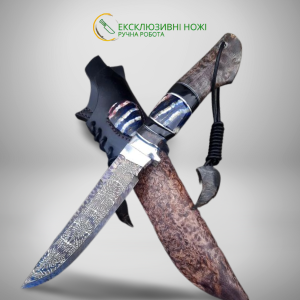
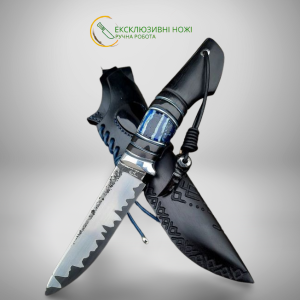
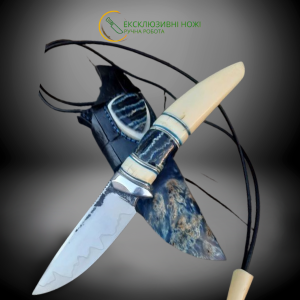
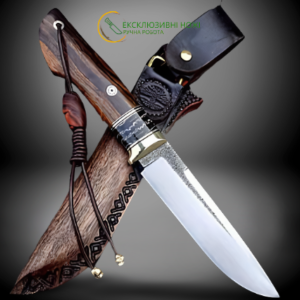
БУРЧАК авторський ніж ручної роботи MV Knify, К110 в обкладках 95х18, 61 HRC, купити замовити в Україні
- Виробник: Майстерня ножів ручної роботи MV KNIFY
- Модель: БУРЧАК - ніж ручної роботи майстерні MV Knify
Доступні варіанти
ОПИС НОЖА:
Назва ножа: БУРЧАК авторський ніж ручної роботи MV Knify, К110 в обкладках 95х18, 61 HRC, купити замовити в Україні
Тип ножа: Фіксований клинок
Бренд: Майстерня ножів ручної роботи MV Knify
Сталевий лист: Ціліснолитий, всадний монтаж на стяжку і епоксидну смолу
Кут заточення леза: Загострений на 38 градусів до стану гоління волосся
Спуски: Прямі
Зведення: 0,2 мм
Твердість леза: 61 HRC
Загальна довжина: 265 мм
Довжина леза: 135 мм
Ширина леза: 35 мм
Товщина леза: 4.0 мм
Товщина руків'я: 15-20-22 мм
Ширина руків'я: 30-30 мм
Колір руків'я: Коричневий
Просочення руків'я: Шліфування
Покриття руків'я: Полірування
Отвір для шнурка (під темляк): Є
Темляк: Шкіряний шнур з бусинками бивень мамонта
Піхви: Італійська шкіра рослинного дублення, оброблена апретурою для захисту від води та просякнута захисними розчинами, прошита вручну вощеною ниткою. Ручне тиснення фактурита. Вільний підвіс

Модель: БУРЧАК авторський ніж ручної роботи MV Knify, К110 в обкладках 95х18, 61 HRC, купити замовити в Україні
Номер моделі: 035
Країна народження: Україна
Ремісник: Майстер Валькевич Михайло (MV Knify), м. Самбір, Україна Майстерня ножів ручної роботи майстра студії MV Knify
Найкраще використання: Багатофункціональний: полювання, рибальство, поділ тушки, нарізка тощо
Стан ножа: Новий
Ціна вказана з піхвами.

Догляд: Рекомендуємо тримати ножі чистими, сухими, без залишків забруднення після використання.
Заточений ніж – не є холодною зброєю.
Наші ножі дуже гострі, тому відкривайте та використовуйте дуже обережно. Ми не несемо відповідальності за травми, пов'язані з використанням наших ножів.
Наша продукція призначена для легального використання лише відповідальними покупцями. Ми не продаватимемо наші продукти особам молодше 18 років.
Наявність регулярно змінюється, при підтвердженні Вашого замовлення ми повідомимо про наявність або термін готовності товару. Виріб може трохи відрізнятися від представленого на фото.
Сталь К110 для ножів - особливості, плюси та мінуси
На даний момент існує безліч можливих матеріалів для виробництва ножів. Залежно від мети виготовлення, береться різний матеріал. Причому вміст основних речовин різних марках сталі може дуже істотно відрізнятися. Найбільш типовими марками сталі є високовуглецеві види сталі. Серед них можна знайти безліч видів матеріалів, що відрізняються між собою за кількістю додаткових елементів. Однією з найкращих марок сталі для мисливських ножів є К1100 від австрійської компанії Böhler.
Склад та особливості
Сталь Böhler К110 є високовуглецевим складом з високим вмістом хрому. Метал штампується методом холодного штампування. Виробляє метал один із найбільших металургійних концернів у світі. Заводи розташовані в Європі, Північній та Південній Америці.
При виробництві К110 використовується технологія електрошлакового переплавлення. За рахунок цього значно підвищується якість матеріалу. Через наявність різних небажаних домішок можуть з'явитися серйозні дефекти під час механічного кування. Щоб цього уникнути, використовується метод електрошлакової переплавки. При проходженні електрошлакової переплавки розплав до початку твердіння пропускаю через шар спеціального шлаку, за допомогою якого з розплавленого металу усуваються сторонні елементи, наприклад, фосфор, сірка і багато іншого.
Методика електрошлакової переплавки забезпечує підсумковий результат низькими рівнями сегрегації, чистотою та однорідністю структури. У Böhler К110 істотно знижений відсоток шкідливих домішок та з'єднання металів та неметалів з вуглецем поширені рівномірно.
Тому такий метал відрізняється складним складом і здатна витримувати навіть дуже тонкі кути при куванні. Однією з основних переваг є вкрай висока міцність та в'язкість. Гартувати такий матеріал бажано на повітрі. За потреби застосовується методика азотування. Böhler К100 використовується для кування ножової продукції середнього та високого цінового сегмента.
Склад металу:
У ньому міститься 1,5% вуглецю, який забезпечує більш високу міцність та твердість.
Вміст хрому – 12%. Цей метал забезпечує підвищену здатність сталі гартуватися, стійкість до іржавіння та зношування.
Молібден 0,8% застосовується для виготовлення швидкорізальної сталі. Він значно підвищує жорсткість клинка, робить його стійким до високих температур.
Відсоткова частка ванадію – 1%. Цей хімічний елемент має високу міцність. Підсилює характеристики пружності матеріалу та робить його несприйнятливим до різних агресивних середовищ.
Марганець – 0,35%. Марганець використовується під час виплавки. Він значно підвищує твердість матеріалу. Характерною особливістю марганцю є те, що із сталі з високим вмістом хімічного елемента виготовляють різні предмети, що вимагають високої міцності. Наприклад, сейфи, рейки та багато іншого.
Böhler К110
Основні переваги
Будь-яка сталь є сплавом заліза і вуглецю, проте їх співвідношення в речовині буде безпосередньо впливати на характеристики готового виробу. Цей вид матеріалу виготовляють шляхом електрошлакового переплавлення. А за рахунок великого вмісту домішок утворюється підвищена міцність матеріалу.
До основних переваг стали К110 від Böhler можна віднести:
- Головною вимогою, яка стосується всіх ножів це гострота заточування. Однак, чим гостріше заточити ніж, тим швидше він тупитиметься. Однак до ножів з К110 це правило не застосовується. Через високу концентрацію хрому в цій сталі істотно підвищується стійкість до зносу. Тому ріжуча кромка завжди буде гострою. Однак використання таких домішок знижує стійкість до корозії. Хоча ніж і не буде дуже швидко іржавіти.
- Наявність високого відсотка молібдену у складі забезпечує матеріал рівномірністю та гомогенністю сталі. Це дуже важливо для ножа. Невелика частка ванадію підвищує міцність та довговічність матеріалу, а марганець у контакті з хромом суттєво підвищують міцність.
- Після безлічі випробувань було встановлено, що навіть після безлічі обробок кісток та розтину консервних банок на лезі практично не з'являється засічок. Лезо продовжує бути здатним нарізати газету під власною вагою.
- За рахунок поєднання різних домішок у складі речовини та методу виготовлення сталі ножі з цього матеріалу відрізняються вкрай тривалим терміном експлуатації.
- Підвищена стійкість леза до різних агресивних середовищ, до яких належать деякі внутрішні органи тварин. Тому ніж не буде тривалий час темніти і іржавіти.
Основні недоліки
До мінусів можна віднести:
- Така не відрізняється високою міцністю на злам. Тому, небажано метати вироби, перевіряти на здатність згинатися.
- Клинки з подібного матеріалу зазвичай виготовляються з невеликим розміром та вузькою спрямованістю. Це мисливські ножі, спеціально підготовлені для обробки туш. Зазвичай вони використовуються жителями Сибіру та Півночі. Однак, свої відмінні властивості меч буде здатний показати виключно при грамотній підготовці та заточуванні. В іншому випадку дуже легко зіпсувати ріжучу кромку. Однак, якщо такий догляд буде забезпечений, ножі з К110 дорівнюватимуть за характеристиками лезам з якіснішої сталі.
Висновок
К110 від Böhler від австрійського виробника – один із найякісніших видів продукції для кування ножів. Незважаючи на вимогливість до догляду за клинком та обов'язкову умову ретельно висушити після контакту з водою, ніж із такого металу слугуватиме у правильних руках дуже довго. Тому купувати ножі та інструменти з К110 від австрійського виробника однозначно варто. Вони здатні прослужити тривалий термін.
Ну, а купити ніж з порошкової сталі ви можете на нашому сайті knife.net.ua або зв'язавшись з нами за телефоном +380674072030
Варто пам'ятати, що при використанні ножа за призначенням та дбайливим поводженням, ніж прослужить Вам дуже і дуже довго
Ironwood - iron wood - handmade knives
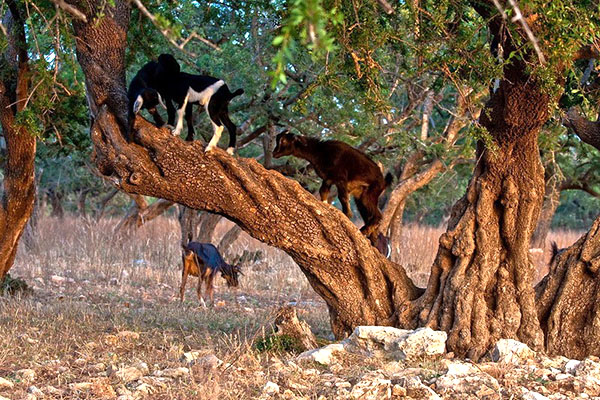
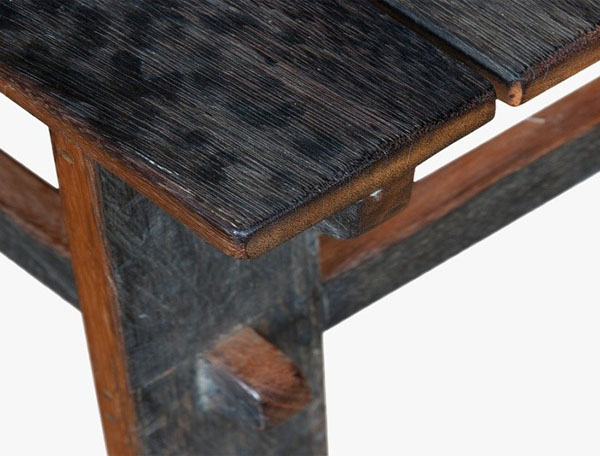
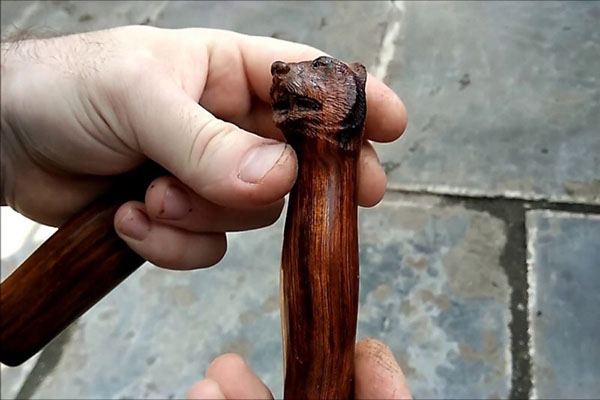
У природі залізне дерево зустрічається вкрай рідко, тому займає почесне місце в Червону книгу. Однак за своїми властивостями кожне залізне дерево не поступається щільності чавуну. Його кора витримує обстріл з вогнепальної зброї, але при цьому безнадійно тоне у воді. Варто відзначити, що це не окремий клас дерев, а ціла група, зібрана з різних порід. Вона включає в себе кілька десятків видів рослин з незвично щільною деревиною. Їх можна зустріти на кожному з континентів. Більш того, сировину використовують як в промисловій індустрії, так і в лікувальній практиці.
Що особливого в цих деревах?
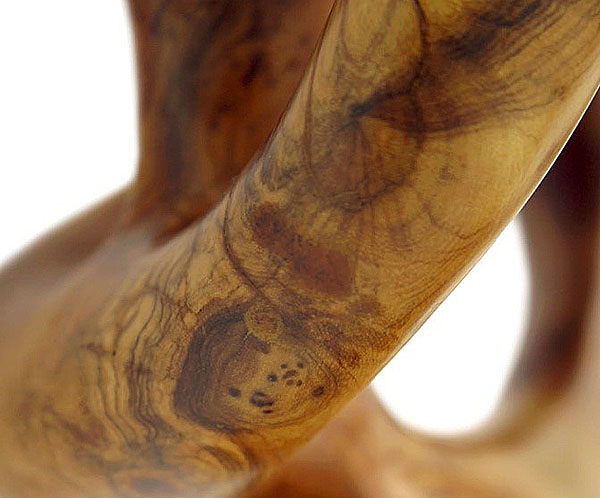
Неозброєним оком розпізнати «кам’яну» породу багаторічної рослини досить складно. Особливо якщо вони знаходяться на межі зникнення. Проте їх характеризують такі особливості:
- вік таких довгожителів не менше 2-х сотень років;
- деревне волокно стійке до корозійних процесів і не псується під впливом сильних кислот;
- в корі міститься багато дубильних речовин, які захищають своїх «господарів» від всіляких паразитів, а також від грибка гнилі;
- колода обов’язково піде під воду, оскільки щільність деревини становить 1 т / м³ з урахуванням вологості 12%, з цієї причини такі породи ростуть досить повільно;
- висота кожного перевищує 25 метрів, а обхват стовбура сягає понад 200 см.
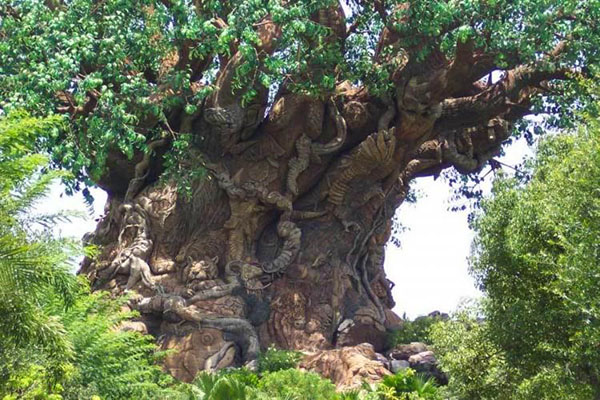
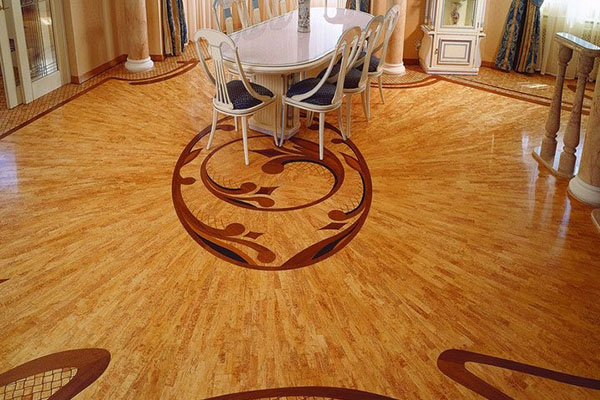
Всі ці властивості необхідні залізного дерева, щоб виживати в найсуворіших кліматичних умовах. Різкі перепади температури в Росії, африканська посуха або вологий європейський клімат не зможуть зашкодити цьому феномену природи. Такі різновиди дерев прекрасно адаптуються в будь-який несприятливій обстановці. Для цього вони оснащені чималою кількістю пристосувань, починаючи від унікальної будови стовбура / коренів і закінчуючи хімічним складом кори. У зв’язку з цим їх широко використовують у виробництві:
- меблів;
- будівельних конструкцій;
- автомобілів;
- косметичних засобів;
- елементів декору;
- підводної техніки.
Бивень мамонта: коштовність, що видобувається у вічній мерзлоті
Більшість наших сучасників мамонт – «чудовисько обло, бешкетно, величезно…» Великий, непропорційно складений слон. Лютий звір, густо заросли щільною блискучою або довгою бурою і клаптистою вовною. Чотирьоногий богатир з важкими бивнями напереваги, що безстрашно ганяє білих ведмедів. Або збентежено біжить від жменьки шалених двоногих… Ось що таке мамонт у виставі художників від науки.
Мамонти – вимерли?
Прийнято вважати, що мамонти жили так само давно, як і динозаври. Проте вченими достовірно встановлено: останні стада мамонтів мешкали на острові Врангеля близько трьох з половиною тисячоліть тому. Піраміді Хеопса на той час було вже понад тисячу років. Мойсей саме готував одноплемінників до сорокарічного десерт-трипу. Середземноморський вулкан Санторін, вибухнувши, вже сто років як поховав мікенську цивілізацію.
Це стада; окремі сімейства мамонтів, за запевненнями любителів приполярної мисливської самотності, благополучно існують донині. Так це чи ні, достеменно невідомо. Однак немає жодних сумнівів у тому, що у минулому мамонти жили повсюдно і в Європі, і в Азії, і в Америці.
Вічна мерзлота – найкращий холодильник для мамонтової кістки
Але тільки там, де земля протягом тисячоліть перебуває в стані вічної мерзлоти, бивень мамонта зберігається в первозданному (або майже первозданному) вигляді. оцінки експертів у Північноякутській провінції потенційні ресурси можуть становити близько 450 тис. тонн.
Людина за всіх часів надзвичайно високо цінувала викопний бивень мамонта. Щільна, міцна, масивна, часто біла, зазвичай жовтувата, нерідко забарвлена солями мінералів у природні кольори, мамонтова кістка протягом багатьох століть використовується як сировина для різьблення по кістці.
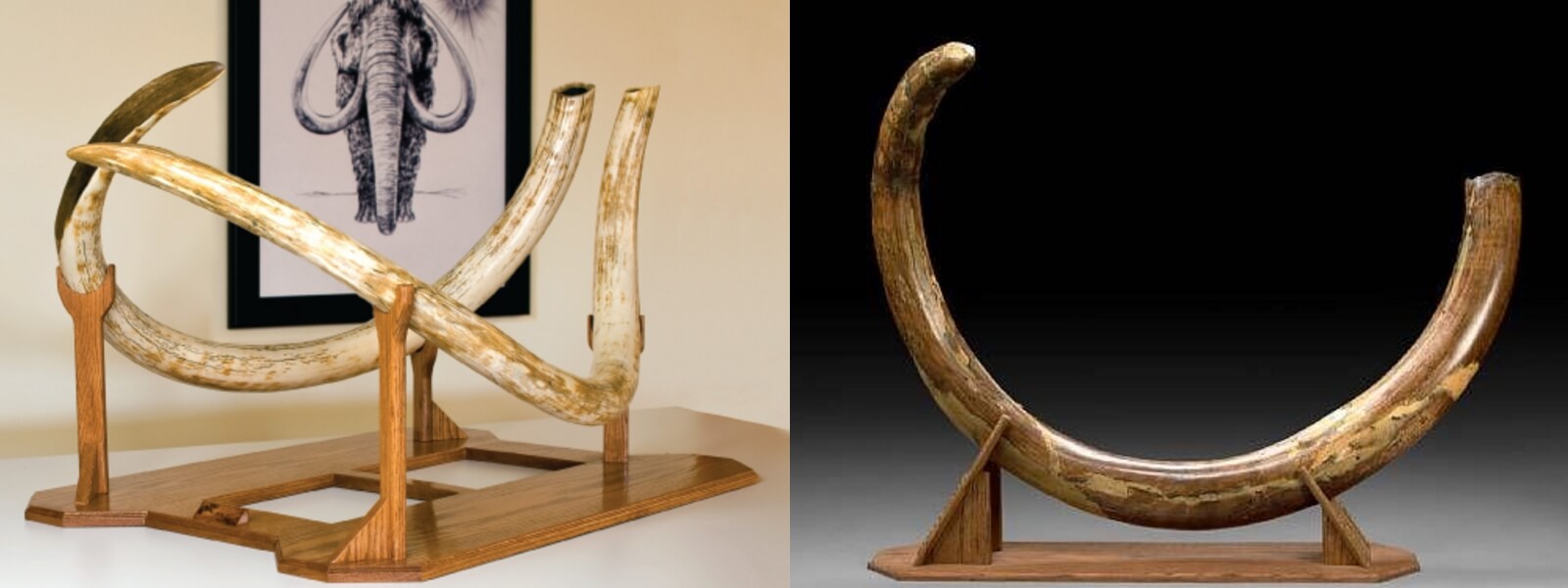
Матеріал, що гідно цінується царями та правителями у всьому Світі!
Єдиний дозволений
Сьогодні бивень мамонта – єдиний високоцінний кістковий матеріал, дозволений до видобутку та використання. Бивень слона, всім відома слонова кістка, переведений у розряд заборонених матеріалів. Подібні рішення прийняті щодо зуба кашалота (у зв'язку з повною відмовою від полювання на китів) і моржового ікла (якого видобувають північні народи в незначних кількостях).
Лосиний ріг і цівка (трубчаста стегнова кістка великих тварин) не здатні дати візуального ефекту, виробленого виробами з кістки мамонта. Внутрішнє свічення фігурок, теплі відтінки живого тіла, неперевершена пластичність найдрібніших деталей – ось лише деякі переваги, властиві бивню мамонта.
Універсальність, шляхетність, неповторність
Фізичні якості масиву мамонтового бивня є унікальними. Сучасні технології лише намагаються створити речовини, що за властивостями наближаються до натуральної кістки мамонта. Допускаючи найтонше опрацювання деталей, даючи можливість створення ілюзії м'яких драпірувань одягу, що природно спадають, мамонтовий бивень заслужено став найбільш затребуваним матеріалом для різьблення по кістці.
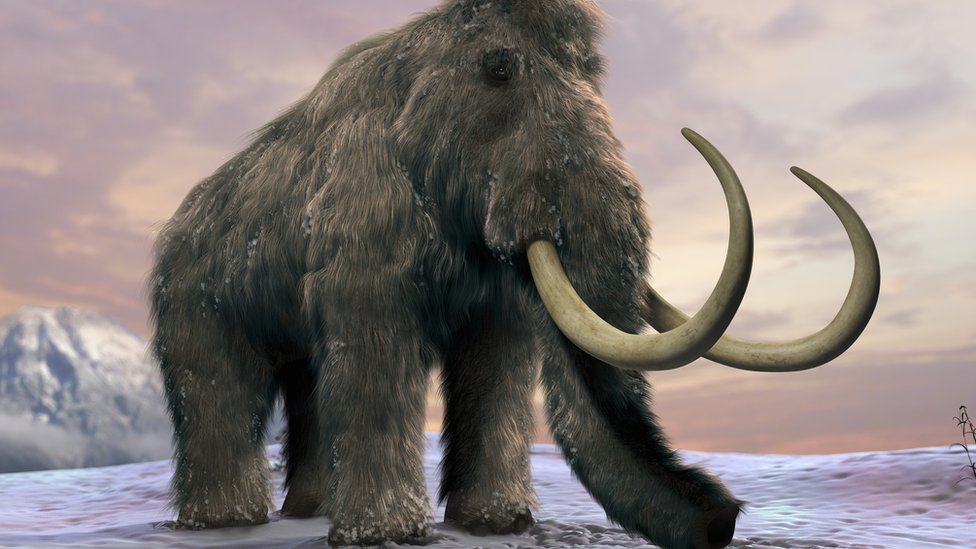
Особливий попит має бивень мамонта однорідної структури. Рівномірність забарвлення кісткового масиву, відсутність тріщин та інших дефектів дозволяє художнику творити без огляду на якість матеріалу. Проте цілісність масиву мамонтової кістки нині вже рідкість і дефекти матеріалу змушують художника бути винахідливішим у композиції, що у результаті перетворюється на додаткову гідність у скульптурі.
Мозаїчний пін
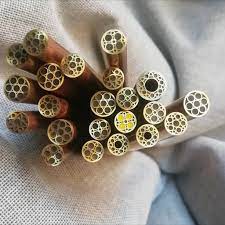
Мозаїчний пін — це трубчаста металева заготовка, поперечний зріз якої має декоративний малюнок або орнамент, що утворюється з декількох спаяних разом елементів (наприклад, дротів, трубок). Використовується в ножовій справі для фіксації плашок рукоятки ножа, слугуючи одночасно декоративним елементом та функціональною деталлю замість звичайних стяжок або заклепок, надаючи руків'ю унікального вигляду.
-
Наповнення:В простіших варіантах це дріт з міді, алюмінію або нержавіючої сталі, в складніших – вкладені трубки та профільні напрямні, які формують малюнок на зрізі.
-
Виготовлення:Нарізається на шматочки потрібної довжини, в отворах плашок створюються насічки для кращої фіксації, після чого шматочки піна вклеюються.
-
Застосування:Крім естетичної функції, мозаїчні піни забезпечують надійне з'єднання плашок з основою руків'я.
-
Декоративність:Кожен мозаїчний пін має неповторний візерунок, що робить рукоятку унікальною.
-
Розміри:Діаметр зазвичай варіюється від 3 до 10 мм, а довжина може бути різною залежно від моделі.
-
Матеріали:Наповнення може складатися з різних металів, а простір між ними заповнюється компаундом, який може бути різнокольоровим або навіть фосфорним.
| Характеристики ножа | |
| Матеріал леза: | К110 |
| Кут заточення леза: | 38° градусів |
| Спуски: | Прямі |
| Товщина зведення: | 0,2 мм |
| Твердість клинка (HRC): | 61 HRC |
| Загальна довжина клинка mm: | 265 мм |
| Довжина леза: | 135 мм |
| Матеріал руків'я: | Нержавіюча сталь, мельхіор, проставки g10, бивень мамонта, ріг буйвола, Ironwood мозаїчний пін |
| Колір руків'я: | Коричневий |
Написати відгук
Рекомендовані товари
-300x300.png "МИСЛИВЕЦЬ БУРШТИН ексклюзивний ніж ручної роботи майстра Павла Гончаренка, сталь N690, 61 HRC")


/КЛОНДАЙК%20(шукач%20скарбів)%20н6іж%20ручної%20роботи%20майстра%20студії%20ножів%20Павла%20Гончаренка-300x300.png "КЛОНДАЙК авторський ніж ручної роботи Павла Гончаренка, сталь мозаїчний дамаск, 60-61 HRC")
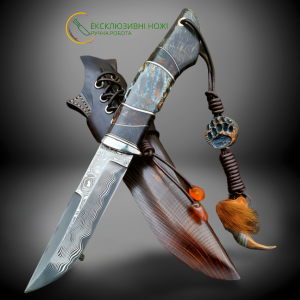


-300x300.png "ЯСЕН ексклюзивний ніж ручної роботи Павла Гончаренка, сталь К110, 61 HRC")
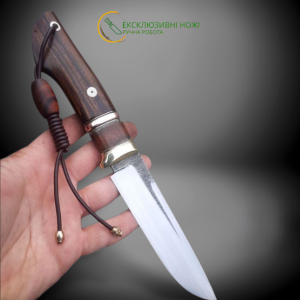
 "БУРИЙ ВЕДМІДЬ авторський ніж ручної роботи майстра Павла Гончаренка, сталь К110, 61 HRC")




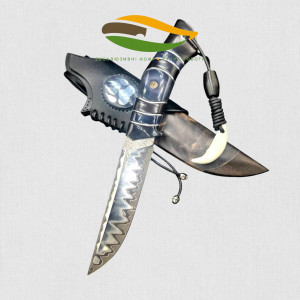
-300x300.png "ВЕДМЕЖИЙ КІГОТЬ ІV ніж ручної роботи майстра Павла Гончаренка, ДІ90МП, 63 HRC")



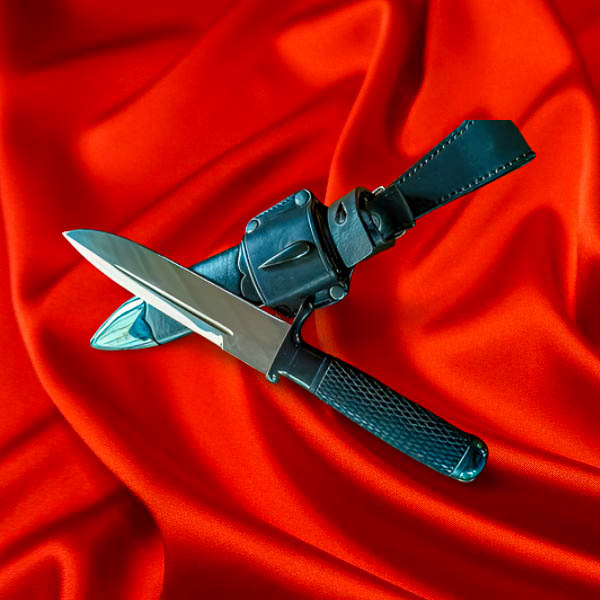


-600x600.png "МИСЛИВЕЦЬ БУРШТИН ексклюзивний ніж ручної роботи майстра Павла Гончаренка, сталь N690, 61 HRC")
-60x60.png "МИСЛИВЕЦЬ БУРШТИН ексклюзивний ніж ручної роботи майстра Павла Гончаренка, сталь N690, 61 HRC. Photo 1")


Доставка і оплата
Доставка і оплата
Доставка Новою Поштою
Швидкість доставки в будь-яке відділення Нової пошти в Україні фіксується оператором, але зазвичай не перевищує 1-3 календарних днів.
Готівкою
Оплата готівкою при отриманні товару.
Післяплатою на Новій Пошті (при собі необхідно мати паспорт або водійське посвідчення).
Visa и MasterCard
Оплата замовлення на карту Приват Банку.
Доставка товару можлива тільки після підтвердження платежу.