, 63 HRC13-1280x720.png)
, 63 HRC11-1280x720.jpg)
, 63 HRC4-1280x720.jpg)
, 63 HRC3-1280x720.jpg)
, 63 HRC7-1280x720.jpg)
, 63 HRC2-1280x720.jpg)
, 63 HRC6-1280x720.jpg)
, 63 HRC5-1280x720.jpg)
, 63 HRC-1280x720.jpg)
, 63 HRC8-1280x720.jpg)
, 63 HRC12-1280x720.jpg)
, 63 HRC9-1280x720.jpg)
, 63 HRC14-1280x720.jpg)
, 63 HRC13-100x100.png "СОНЯЧНА ХВИЛЯ складаний ніж ручної роботи майстерня GRYFON, сталь - Дамаська сталь (Damascus), 63 HRC, замовити купити в Україні")
, 63 HRC11-100x100.jpg "СОНЯЧНА ХВИЛЯ складаний ніж ручної роботи майстерня GRYFON, сталь - Дамаська сталь (Damascus), 63 HRC, замовити купити в Україні")
, 63 HRC4-100x100.jpg "СОНЯЧНА ХВИЛЯ складаний ніж ручної роботи майстерня GRYFON, сталь - Дамаська сталь (Damascus), 63 HRC, замовити купити в Україні")
, 63 HRC3-100x100.jpg "СОНЯЧНА ХВИЛЯ складаний ніж ручної роботи майстерня GRYFON, сталь - Дамаська сталь (Damascus), 63 HRC, замовити купити в Україні")
, 63 HRC7-100x100.jpg "СОНЯЧНА ХВИЛЯ складаний ніж ручної роботи майстерня GRYFON, сталь - Дамаська сталь (Damascus), 63 HRC, замовити купити в Україні")
, 63 HRC2-100x100.jpg "СОНЯЧНА ХВИЛЯ складаний ніж ручної роботи майстерня GRYFON, сталь - Дамаська сталь (Damascus), 63 HRC, замовити купити в Україні")
, 63 HRC6-100x100.jpg "СОНЯЧНА ХВИЛЯ складаний ніж ручної роботи майстерня GRYFON, сталь - Дамаська сталь (Damascus), 63 HRC, замовити купити в Україні")
, 63 HRC5-100x100.jpg "СОНЯЧНА ХВИЛЯ складаний ніж ручної роботи майстерня GRYFON, сталь - Дамаська сталь (Damascus), 63 HRC, замовити купити в Україні")
, 63 HRC-100x100.jpg "СОНЯЧНА ХВИЛЯ складаний ніж ручної роботи майстерня GRYFON, сталь - Дамаська сталь (Damascus), 63 HRC, замовити купити в Україні")
, 63 HRC8-100x100.jpg "СОНЯЧНА ХВИЛЯ складаний ніж ручної роботи майстерня GRYFON, сталь - Дамаська сталь (Damascus), 63 HRC, замовити купити в Україні")
, 63 HRC12-100x100.jpg "СОНЯЧНА ХВИЛЯ складаний ніж ручної роботи майстерня GRYFON, сталь - Дамаська сталь (Damascus), 63 HRC, замовити купити в Україні")
, 63 HRC9-100x100.jpg "СОНЯЧНА ХВИЛЯ складаний ніж ручної роботи майстерня GRYFON, сталь - Дамаська сталь (Damascus), 63 HRC, замовити купити в Україні")
, 63 HRC14-100x100.jpg "СОНЯЧНА ХВИЛЯ складаний ніж ручної роботи майстерня GRYFON, сталь - Дамаська сталь (Damascus), 63 HRC, замовити купити в Україні")
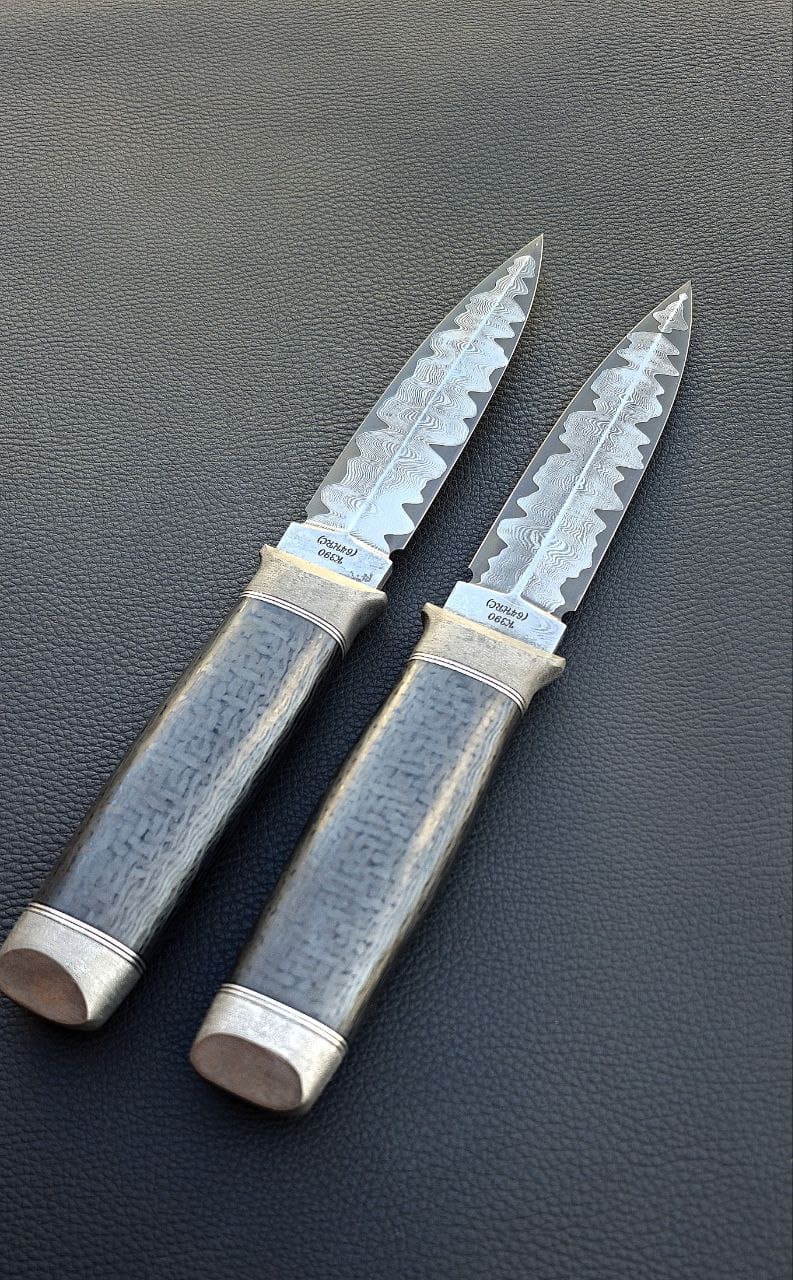
СОНЯЧНА ХВИЛЯ складаний ніж ручної роботи майстерня GRYFON, сталь - Дамаська сталь (Damascus), 63 HRC, замовити купити в Україні
- Виробник: Майстерня авторських ножів ANDROSHCHUK KNIVES
- Модель: СОНЯЧНА ХВИЛЯ - Майстерня авторських ножів GRYFON
Доступні варіанти
ТЕХНІЧНІ ХАРАКТЕРИСТИКИ:
Назва ножа: СОНЯЧНА ХВИЛЯ складаний ніж ручної роботи майстерня GRYFON, сталь - Дамаська сталь (Damascus), 63 HRC, замовити купити в Україні
Тип ножа: Складаний ніж
Бренд: Майстерня авторських ножів GRYFON
Марка сталі: Клинок - Клинок - мозаїчний дамаск Damasteel — вид сталі з видимими неоднорідностями на сталевій поверхні, найчастіше у вигляді візерунків, одержаних різними способами. Дамастіл (Damasteel), що вказує на високоякісну нержавіючу дамаську сталь, відому своєю міцністю, гнучкістю та естетичною текстурою
Сталевий лист: Складаний ніж
Кут заточення леза: Загострений на 36° (загальний кут). Це поширений кут для робочих ножів, що забезпечує хорошу гостроту та стійкість кромки до затуплення
Спуски: Прямі - це класичний варіант, який забезпечує хороший баланс між міцністю та ріжучими властивостями
Зведення: 0,2 мм, Дуже тонке зведення, що свідчить про високу агресивність різу (ніж буде "гостро" різати)
Твердість леза: 63 HRC, це дуже високий показник, що забезпечує відмінну зносостійкість ріжучої кромки та тривале збереження гостроти
Загальна довжина: 245 мм
Довжина леза: 105 мм
Ширина леза: 31 мм
Товщина руків'я: без кліпси - 16 мм, з кліпсою 20 мм. Ергономічний розмір, що має забезпечити зручний та надійний хват
Вага: 233 гр - досить значна вага, що може свідчити про надійну конструкцію та використання високоякісних, хоч і не найлегших, матеріалів
Матеріал больстера (гарда) та тильника: Титан
Матеріал руків'я: Преміальне поєднання:
- Тимаскус (Timascus): Титановий дамаск — високодекоративний, легкий та стійкий до корозії матеріал.
- Карбон (Carbon Fiber): Легкий, міцний та сучасний композитний матеріал.
- Титан: Міцний, легкий та корозійностійкий метал, часто використовується для лайнерів та больстерів.
- Осьовий механізм: Керамічний підшипник, в детенті також керамічна кулька. Гарантує надзвичайно плавне, швидке та надійне відкриття/закриття клинка.
Піхви: Італійська натуральна теляча шкіра чепрак рослинного вичинки та дублення 4.0 мм, оброблена апретурою для захисту від води та просякнута захисними розчинами, прошита вручну вощеною ниткою. Ручне тиснення фактури
%2C%2063%20HRC8.jpg)
Модель: СОНЯЧНА ХВИЛЯ складаний ніж ручної роботи майстерня GRYFON, сталь - Дамаська сталь (Damascus), 63 HRC, замовити купити в Україні
Номер моделі: 006
Країна народження: Україна
Майстер: Майстерня авторських ножів GRYFON
Найкраще використання: Багатофункціональний: полювання, рибальство, поділ тушки, нарізка тощо
Стан ножа: Новий
Ціна вказана з піхвами.

Ніж заточений, не є холодною зброєю.
Наші ножі дуже гострі, тому відкривайте та використовуйте їх дуже обережно. Ми не несемо відповідальності за будь-які травми, пов’язані з використанням наших ножів.
Наша продукція призначена для легального використання лише відповідальними покупцями. Ми не будемо продавати наші продукти особам молодше 18 років.
Наявність регулярно змінюється, після підтвердження вашого замовлення ми повідомимо вас про наявність або коли товар буде готовий. Товар може дещо відрізнятися від зображеного на фото.
Дамаск, Damasteel та булат. Розбираємось у відмінностях та нюансах.
Люди, які шукають для себе меч з дамаської сталі, часто помічають у пошукових фільтрах ще одну сталь під назвою Damasteel . У чому відмінність цієї сталі від простого дамаска? Короткий відповідь: Різниця у процесі виробництва та, як наслідок, інших властивостях. Докладніше ці моменти розглянемо нижче.
Традиційна дамаська сталь.
У традиційному процесі створення дамаської сталі коваль зварює і пресує два або більше типу сталі в шари. При куванні сталь багаторазово згинають доти, поки в заготовці не буде 100 або більше шарів . Заготівлю нагрівають, відбивають, багаторазово складають. Чіткі візерунки на лезі створюються шляхом скручування, складання та витягування заготовки.
В цілому, цей процес дозволяє створити дуже міцний клинок, але його довговічність обумовлена сталевими сплавами, які спочатку вибрані. Залежно від використовуваної сталі, дамаск може бути нержавіючим чи ні. Щоб дамаська сталь не іржавіла, всі вхідні в пакет сталі повинні містити не менше 14% хрому .
Візерунок у дамаській сталі виявляється лише візуально, коли сталь очищена, підготовлена та протруєна кислотою. Два типи сталі можуть реагувати по-різному на окислення.
%2C%2063%20HRC7.jpg)
Булат
Damasteel починається з процесу виробництва сталі за допомогою газового розпилення. Розплавлена сталь пропускається через сопло та розпорошується. Дрібнофракційні частинки сталевого порошку, що виходять в результаті, мають ідеальну сферичну форму з високим рівнем чистоти і рівномірним розподілом карбідів.
Потім цей порошок збирають у каністру, яка запечатується, ущільнюється і зв'язується за допомогою процесу, що називається гарячим ізостатичним пресуванням (ГІП) . Після процесу ГІП розмір сталевого матеріалу зменшується приблизно 30%. У сталі немає зварних швів, що робить її конструкційно надзвичайно міцною.
Після цього капсула піддається ковці, причому прокочується особливим чином для отримання різних малюнків. Ця фаза створення шаблонів дуже схожа на обох сталях. Damasteel випускається в широкому асортименті і включає різні складні візерунки: троянда, краплі дощу та багато інших.
Переваги сталі Damasteel
Перевага процесу обробки за допомогою газового розпилення та ГІП полягає в тому, що Damasteel містить менше різних домішок включень, ніж традиційна дамаська сталь.
У виробництві Damasteel використовуються сталі RWL34 та PMC27 . RWL34 – це ножова сталь шведського виробництва, названа на честь легендарного ножа Роберта Боба Лавлесса . Вона найбільше схожа на CPM 154 і хімічно аналогічна ATS 34.
При травленні RWL 34 проявляється більш світлим кольоровим малюнком у загальному візерунку. Друга сталь у дамаській сталі – нержавіюча PMC27, яка також виробляється у Швеції. При травленні виходить темніший візерунок. Обидві ці композитні сталі виготовляються за допомогою газового розпилення та забезпечують підвищену ударну в'язкість та утримання кромок порівняно із звичайними сталями.
Висновок
В цілому, як традиційний дамаск, так і Damasteel мають красу та унікальність, які роблять цей матеріал відомим. Damasteel, проте, може бути найкращим варіантом, якщо ви шукаєте високопродуктивний дамаск, або вас цікавить нержавіючі властивості. Damasteel має дещо інший візерунок на відміну від традиційного дамаска, і візуальні стилі, що виходять, є відмінною особливістю.
"Дамаск" та "булат" що це тако і чим відрізняються?
Що таке дамаська сталь?
Дамаської називають сталь, що має чіткий, добре помітний поверхневий візерунок, що є наслідком її неоднорідної, шаруватої внутрішньої структури. Малюнок виділяється у вигляді світлих сталевих ліній на сірому чи чорному тлі. Особливо добре він стає помітним після протруювання виробу слабкою кислотою. Але іноді буває, що візерунок проявляється після полірувального процесу.
Давно мечам з таким малюнком приписувалися виняткові якості: високі гостроти, гнучкість та міцність. Іноді (особливо на тлі продуктів недосконалих середньовічних технологій) так воно й було. Чому саме «іноді» поговоримо нижче.
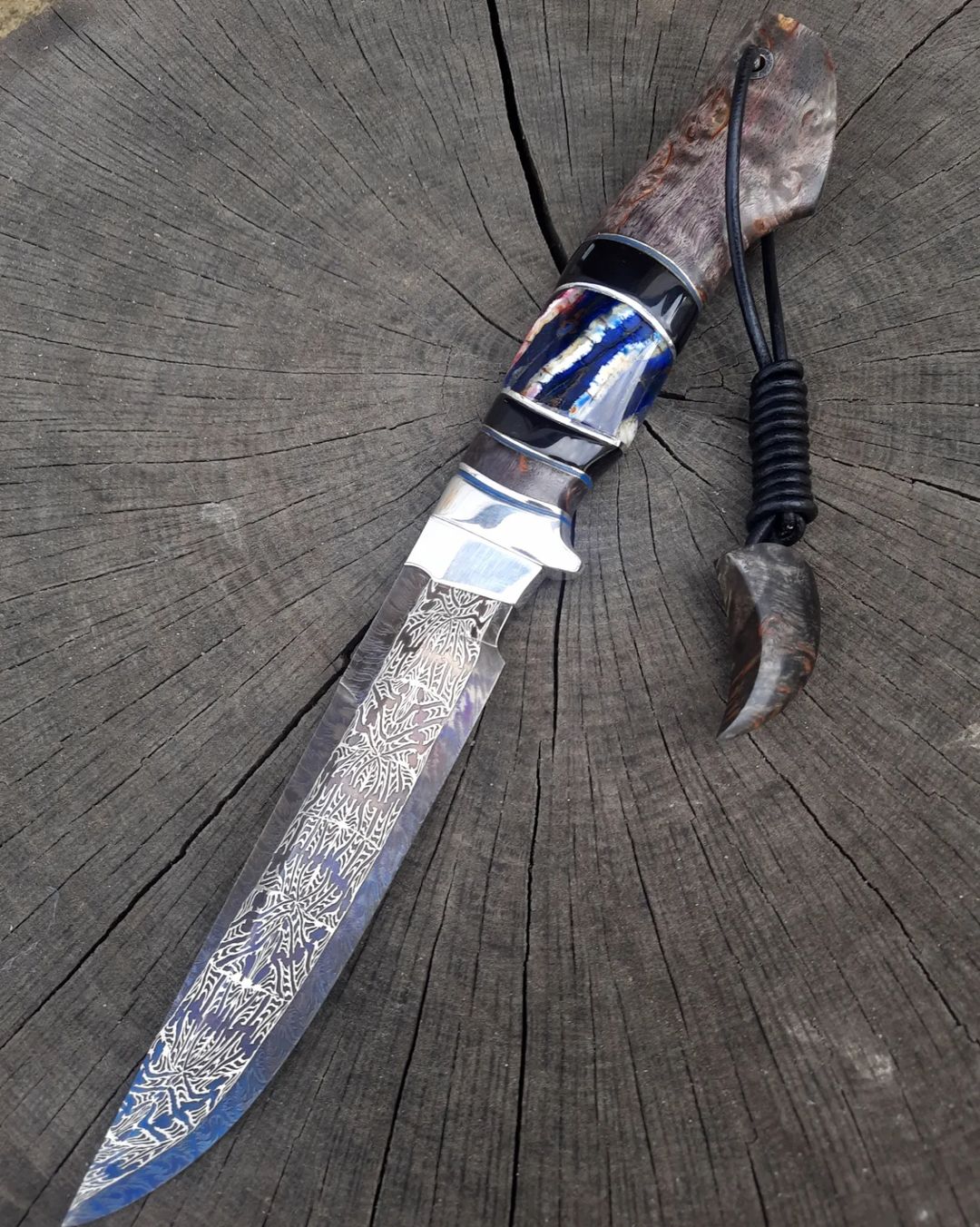
На фото: Ніж "Феєричний дамаск" (дамаск).
Навіщо потрібна дамаська сталь і чому вона така?
Як відомо, справжнє залізо насправді є сплавом власне заліза з вуглецем.
- Якщо вуглець у сплаві менше 0.3% метал буде м'яким, пластичним та тугоплавким. Його щось зазвичай і називали власне «залізом». Про якість та властивості цього сплаву можна судити, оцінивши механічні властивості звичайного цвяха.
- При частці вуглецю понад 0.3%, але менше 1.7% виходить сталь. Звичайна сталь дуже схожа за своїми властивостями на залізо. Але має одну важливу відмінність: його можна загартувати. Тобто, при нагріванні, а потім, різкому охолодженні, сталь набуває великої жорсткості. На жаль, разом із цим вона стає крихкою. У давнину, коли технології одержання сталі та її загартування ще були добре відпрацьовані, багато виробів з неї (іноді навіть мечі та обладунки) за своєю якістю мало відрізнялися від, наприклад, напилка радянського виробництва. Такий напилок міцний і жорсткий, але спробуйте впустити його на підлогу або вдарити, і він, швидше за все, лусне.
- Ну а якщо вміст вуглецю в металі підніметься вище за 1.7%, вийде чавун. Чавун легко плавиться, добре підходить для лиття, але жорсткий, тендітний і не піддається ковці. Чавунна труба, що впала, навіть з невеликої висоти - розлітається вщент.
У результаті бачимо, що залізо надає сплаву пластичність і підвищує температуру його плавлення. Підвищення вмісту вуглецю в металі дає жорсткість, аж до крихкості, робить матеріал легкоплавкішим.
Ковалі та металурги завжди прагнули поєднати у своїх виробах ці дві суперечливі якості – пластичність та твердість так, щоб вони доповнювали, а не спростовували один одного. До того ж вкрай важливою властивістю вважалася пружність, яку спочатку не мав жоден із зазначених сплавів.
За старих часів знаряддя з чистого заліза виходили надто м'якими, а з пережареної сталі того часу дуже крихкими.
Ми не знаємо, якому генію спало на думку об'єднати два цих сплави у свого роду «бутерброд» і тим поєднати в одному виробі властивості різних матеріалів. Але це був однозначно геній схожий на винахідника колеса чи багаття.
Таким чином, при виготовленні клинка шар твердої сталі закладали між двома шарами м'якого заліза та проковували. В результаті отримували виріб, який завдяки такій «шаровій» структурі був міцніший суто залізний і пластичний, ніж твердий, але тендітний через невдале гартування, сталь тих років.
Знаряддя та інструменти із чистого заліза виходили надто м'якими, а з чистої стали надто крихкими. Тому, щоб виготовити, наприклад, меч, доводилося виробляти бутерброд із двох пластин заліза, між якими закладалася сталева пластина.
Таку сталь називали звареною.
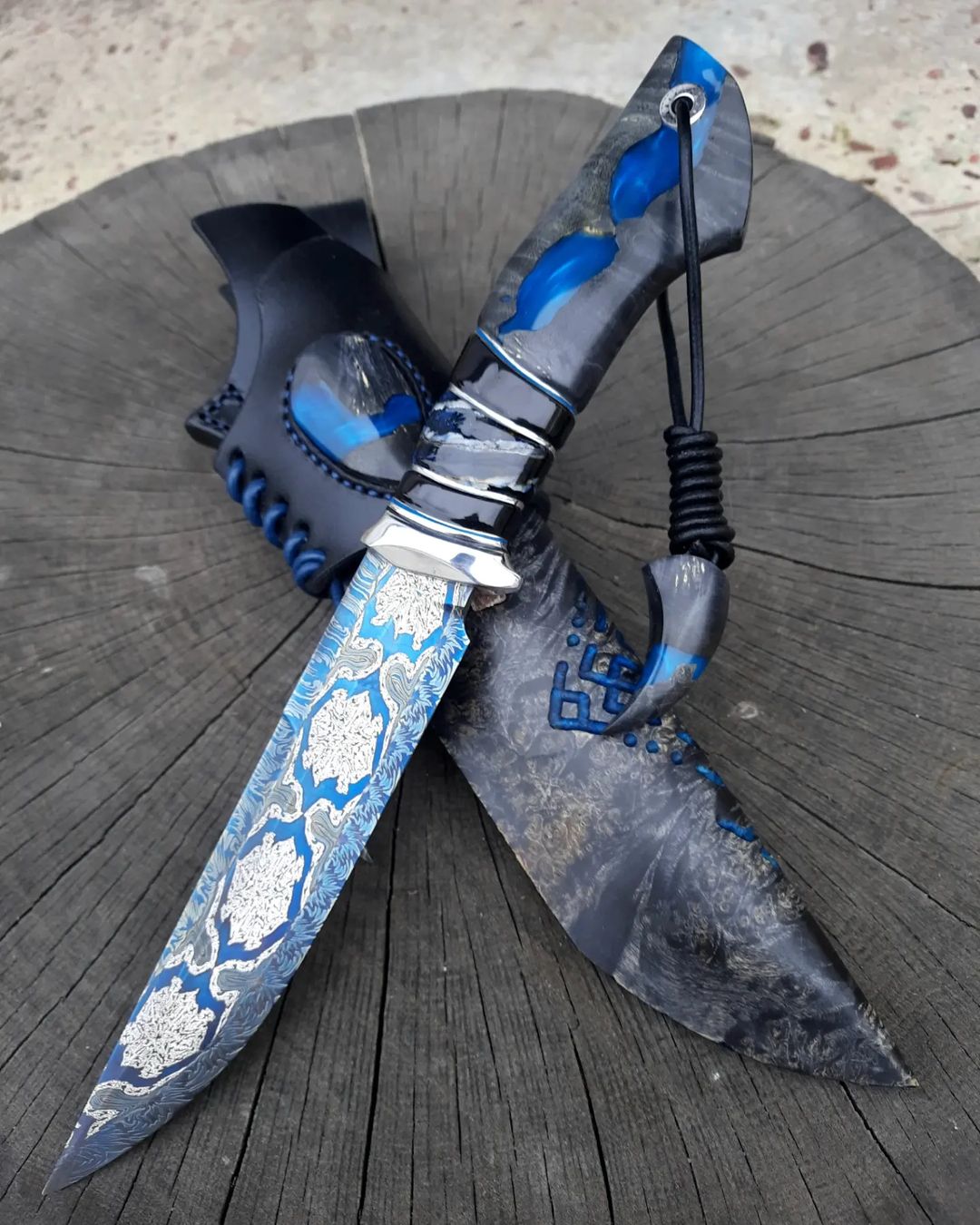
На фото: Ніж мисливський "Морська крапля". Клинок виготовлений із мозаїчного дамаску.
Дамаск є подальшим розвитком цієї технології. Комусь (швидше за все, в Індії) спало на думку, що якщо у виробі буде більше шарів, що чергуються, воно стане ще більш гнучким і міцним.
Спосіб отримання такої сталі був досить трудомісткий - залізну заготівлю розковували в довжину, складали навпіл, потім знову розковували та знову складали. Цю дію повторювали іноді десятки разів. Тридцять чи сорок повторень нікого б не здивували. Хоча навряд чи хтось почав би ділитися такими тонкощами технології. Довгий час майстри зберігали її в найсуворішому секреті.
Надалі були вигадані інші, кілька (зовсім трохи) менш трудомісткі способи. Але принцип дії завжди залишався приблизно той самий.
В результаті виходила заготівля, в якій безліч найтонших високо і низьковуглецевих шарів створювали дивовижну структуру, що має нові властивості. Саме змішання верств народжує той гарний малюнок, який відрізняє дамаську сталь. Саме структура та особливість розташування шарів задають якості клинка. Визначають з'єднання в ньому міцності та гнучкості.
До речі, для окресленого ока малюнок стали сказати багато про що. Так, відомий середньовічний арабський знавець зброї Аль-Кінді писав: "Дивлячись на візерункову сталь, бачиш її як зовні, так і всередині". А, мабуть, один із найкращих європейських знавців булатних і дамаських сталей П.П. Аносов стверджував, що «...досвідчений азіатець не помилиться у виборі клинка і по одному в
зору визначить, в'язь булат чи тендітна, тверда чи м'яка, пружна чи слабка».
Цікаво, що сучасні фахівці часто стверджують протилежне, мовляв, «якість стали ніяк не пов'язана з малюнком на ньому». Швидше за все, цей цікавий курйоз пов'язаний з тим, що давно відомі способи хімічного та механічного нанесення дамаскового малюнка на поверхню будь-якого шматка сталі, навіть звичайної залозки, що ніколи й не лежала поряд із ковальським гірником. Звісно, нині такі підробки стали надзвичайно поширеними.
До того ж, з-під молота «майстра», який не знає всіх особливостей виробництва, цілком можуть виходити заготовки з малюнком, як у справжнього дамаска, але не піднімаються за своїми характеристиками вище за цілком ординарну сталь. І тут, щоб розібратися, має бути вже справжнім знавцем, не гіршим за Аносова чи Аль-Кінді.
Отже, по-перше, з усього сказаного ми можемо зробити висновок, що дамаські сталі можуть бути різної якості, і це залежить від внутрішньої структури шарів і, звичайно, майстерності коваля.
А по-друге, відзначаємо, що поряд із словом "Дамаск" вживається ще й слово "булат". Ось про це, мабуть, варто поговорити окремо.
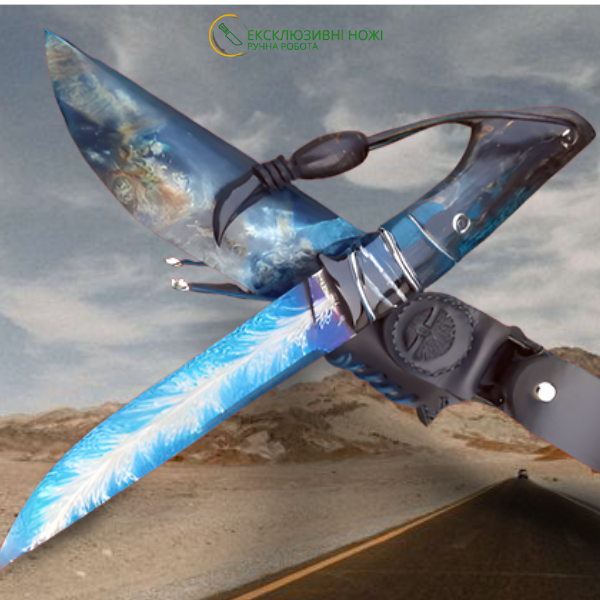
На фото: Ніж мисливський "Мозаїчний дамаск"
Що таке "булат" і чим він відрізняється від "дамаска"?
Жодної єдиної термінології за старих часів не існувало, зате було безліч різноманітних місцевих традицій. До того ж, засоби передачі були дуже недосконалі. З цієї причини слова та поняття постійно змінювалися та спотворювалися, породжуючи немислиме за своєю заплутаністю та нелогічністю різноманітність.
Нам, які звикли до однозначності термінів, слід пам'ятати про це, коли ми маємо справу з різними поняттями та уявленнями наших предків.
Дорогу та якісну сталь у різних країнах та різні часи називали по-різному. "Дамаск", "булат", "вутц", "харалуг", "табан", "хорашан", "шам" - назв цих не перерахувати.
Так, довгий час найвищої якості сталь взагалі на території Російської Імперії називали саме «булатом» (булатною сталлю). І, мабуть, зовсім не замислювалися, що це слово походить від іранського пуладу, що позначав литу сталь.
Як пише в книзі «Зброя з Дамаска і булату» В. Н. Хореєв: «Булат – це сталь з аномально високим (порядку 2% і більше) вмістом вуглецю, що володіє комплексом несумісних у звичайному металі властивостей, а саме – максимально можливою твердістю та щільністю у поєднанні з такою ж високою пластичністю. Отримують натуральний булат шляхом плавки, коли з печі виходить невеликий готовий злиток, що спочатку несе в собі чарівну внутрішню структуру.
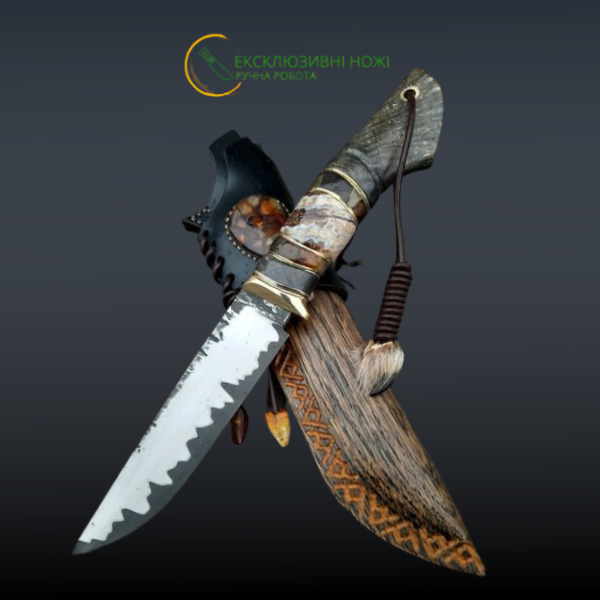
На фото: Ніж мисливський "РИСЬ 3" (дамаск).
Слово ж "дамаск", можливо (але не точно) походить від іншого арабського "дамаст", що оволодіває "хвилястим", "струменевим". Не виключають, що назва ця походить від різних асоціацій зі Сходом і строкатим малюнком знаменитих дамаських тканин. Як завжди, у таких випадках точно вже ніхто не скаже.
Головне ж, що ми бачимо, це те, що булат і дамаск стали одержувані за допомогою абсолютно різних технологій. Так як плавити залізо в більшості регіонів нашої планети довгий час взагалі не вміли, булат був ще рідкішим, ніж зварювальна сталь.
З цієї причини застосування терміна "булат" до "дамаска" є явним результатом плутанини і, швидше за все, наслідком того, що справжній булат на території Російської імперії взагалі мало хто бачив.
До речі, малюнок на литому булаті також може бути красивим та приємним оку. Вважається, що він закладався ще за кристалізації зливка. Відбувалося це тому, що залізо та вуглець, як ми вже писали, мають різні температури плавлення. Надалі, при куванні, цей малюнок міг виявитися тим чи іншим чином. Але, до речі, деякі фахівці стверджують, що саме дрібнозернисті, позбавлені візерунка сорту литого вутця (як його називали самі індуси) були найкращими.
На жаль, але в місці винаходу булату - в Індії секрети його отримання ховали так старанно, що зрештою втратили їх зовсім. А. Василенко у своїй статті «Булатна сталь» стверджує, що: «Вже до кінця ХII століття клинки з литого булату найвищої якості… не вміли робити ні в Індії, ні в Сирії, ні в Персії».
Наприкінці XVIII століття, індійські металурги виявилися зруйнованими ввезенням дешевого заліза з Англії, і всі сподівання відновлення втраченої традиції її батьківщині випарувалися остаточно.
З того часу секрет отримання «того ж булату» шукали металурги багатьох країн. Періодично було чути радісну заяву, що секрет легендарного «вуту» розгадано. Але чи це справді той самий сплав, вам уже не скаже ніхто.
Проте, навіть нині деякі виробники випускають лімітовані серії ножів, клинки яких заявлені як булатні. Буває це рідко, такі ножі дуже дорогі. Одним із таких виробників є, наприклад, фірма Herbertz Limited Edition.
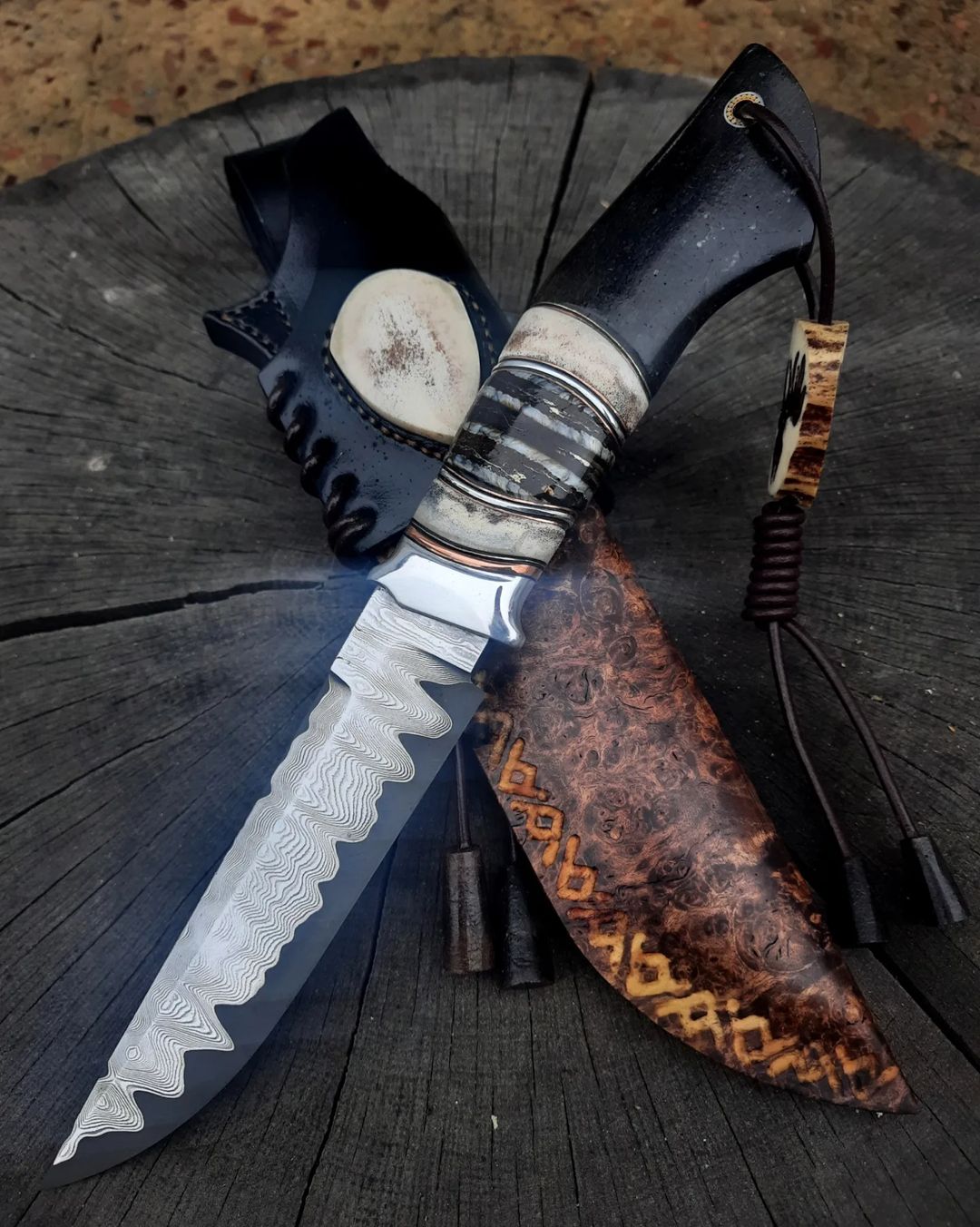
На фото: Ніж "ОЛЕНЬ" (дамаск).
Чи роблять нині ножі зі звареного дамаска?
Так, роблять. Саме кований дамаск, завдяки своїй красі та навколишнім легендам, дуже популярний досі. До того ж, спосіб його виробництва давно вже не секрет.
Деякі ножі із справжнього кованого дамаска можна побачити та купити і в інтернет-магазині Grand Way, причому порівняно недорого. За цілком розумну суму ви можете стати власником ножа, за який у давнину віддали б невелику череду коней або неабияку ділянку землі.
Для ножів із дамаска у нас відведено окрему категорію.
Який буває дамаск?
Працюючи з дамаском можливе отримання безлічі різних візерунків. Між фантазією майстра тут майже немає. Ковалі, що працюють із дамаськими сталями, зазвичай не зупиняються в експериментуванні, шукають нові форми візерунка та методи їх отримання.
Різні види дамаска відрізняють насамперед особливостям малюнка. Так, розрізняють смугастий, сітчастий та хвилястий дамаски.
Досить рідкісним, а тому дуже цінним за старих часів вважався колінчастий візерунок по всій ширині клинка. На Сході більше виділяли сорти табан («блискучий») та хорасан («схід»). Це були дуже якісні дамаски, з напрочуд гарним візерунком: темним із золотавим відливом фоном йшли ясно помітні, чіткі світлі лінії, що утворили великий колінчастий або сітчастий малюнок.
Загалом від зазначених основних типів розходиться ціле дерево варіантів і форм. Майстри не припиняють експерименти та пошуки, тому різноманітність малюнків лише зростає.
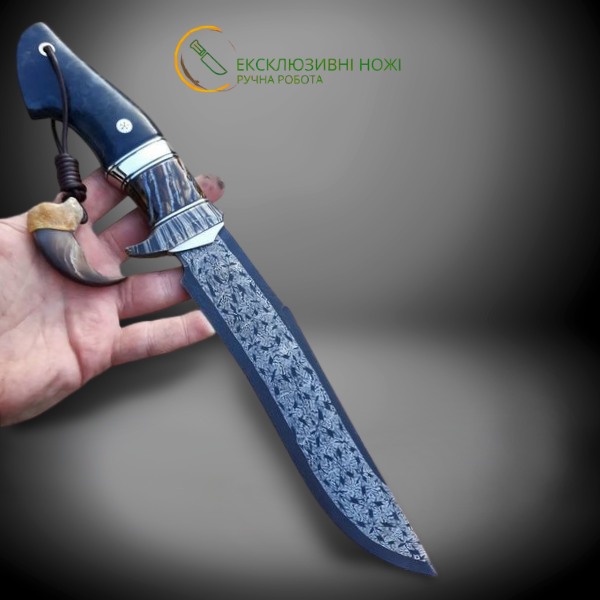
На фото: Клинок ножа ВЕДМЕЖА ЛАПА (дамаск) є чудовим прикладом так званого смугастого дамаска.
Чи є у дамаської сталі недоліки?
Звісно, недоліки у цьому світі мають усі. Винятків немає.
Головним недоліком дамаска в усі часи були трудомісткість виготовлення та велика витрата матеріалу. Вважається, що у середньовічних майстрів, у ході десятків проковок заготівлі, що повторюються, і втрачала до 85% ваги, поки остаточно не перетворювалася на дамаск.
Через таку значну витрату матеріалу, часу та сил, вироби з такої сталі завжди були дуже дорогими. До того ж, на зростання ціни впливала і таємність технологій, обмеженість кількості майстрів, здатних виробляти такі мечі.
Другий недолік - неабияка схильність дамаска корозії. Причина цього сумного факту - високий вміст вуглецю і майже повне остутсвие легуючих елементів у цих сортах сталі.
Тому мечі з дамаска, як дорогі коні – завжди потребували особливо ретельного догляду.
Після використання їх потрібно добре витирати насухо. Зберігати далеко від вогкості. А у разі появи іржі негайно прибирати її доступними засобами (гас, наждачний папір та ін.)
/%D0%90%D0%92%D0%86%D0%90%D0%A2%D0%9E%D0%A0/%D0%90%D0%92%D0%86%D0%90%D0%A2%D0%9E%D0%A0%20%D0%86%D0%86%D0%86%20%D0%B5%D0%BA%D1%81%D0%BA%D0%BB%D1%8E%D0%B7%D0%B8%D0%B2%D0%BD%D0%B8%D0%B8%CC%86%20%D0%BA%D0%BE%D0%BB%D0%B5%D0%BA%D1%86%D1%96%D0%B8%CC%86%D0%BD%D0%B8%D0%B8%CC%86%20%D0%BD%D1%96%D0%B6%20%D1%80%D1%83%D1%87%D0%BD%D0%BE%D1%96%CC%88%20%D1%80%D0%BE%D0%B1%D0%BE%D1%82%D0%B8%20%D1%81%D1%82%D1%83%D0%B4%D1%96%D1%96%CC%88%20KUSTOM%20KNIVES%20%D0%BA%D1%83%D0%BF%D0%B8%D1%82%D0%B8%20%D0%B7%D0%B0%D0%BC%D0%BE%D0%B2%D0%B8%D1%82%D0%B8%20%D0%B2%20%D0%A3%D0%BA%D1%80%D0%B0%D1%96%CC%88%D0%BD%D1%969%C2%A0%E2%80%94%20%D1%81%D0%B5%D1%80%D0%B5%D0%B4%D0%BD%D1%94.jpg)
На фото: Складний ніж "АВІАТОР" (дамаск).
Чи існують у наш час краще, ніж дамаск та булат?
Мабуть, очевидніше таємниця булата була розкрита сучасної цивілізацією тим самим Аносовим в 1830 року. Багато розуміння Європи билися над цією проблемою, але тільки в Аносова для експериментів під рукою виявився тагільський магнетит.
Однак незабаром після цього відкриття були розроблені більш досконалі, технологічні та дешеві способи отримання сталей, що поєднують у собі міцнісні та пружні властивості. Ці сорти стали може і не завжди були кращими за литий булат за всіма показниками, але вони безумовно склали йому більш зручну у виробництві альтернативу.
Прогрес не стоїть на місці. Технології двадцятого та двадцять першого століття, а також глибокі пізнання сучасних учених у фізиці та хімії подарували нам сталі та сплави просто неймовірні та немислимі для давніх ковалів. Більше того, вони зробили вироби з цих сталей доступними не тільки для королів і шахів, але й майже для всього людства.
Наприклад, в магазині Grand Way, ви зможете знайти чимало моделей ножів, які за якістю не поступляться багатьом мечам з давніх легенд і сказань.
Так, меч складного ножа CH 3510 від CH Knives виготовлений з 154CM - чудової американської сталі з високим вмістом вуглецю. Цю марку стали спочатку розробили для турбін. Але поєднання її характеристик виявилося таким привабливим для фейкерів, що ця сталь тепер ґрунтовно закріпилася в ножовій індустрії. 154CM використовують ножові бренди та окремі майстри по всьому світу.
/%D0%90%D0%92%D0%86%D0%90%D0%A2%D0%9E%D0%A0%20%D0%B5%D0%BA%D1%81%D0%BA%D0%BB%D1%8E%D0%B7%D0%B8%D0%B2%D0%BD%D0%B8%D0%B8%CC%86%20%D0%BA%D0%BE%D0%BB%D0%B5%D0%BA%D1%86%D1%96%D0%B8%CC%86%D0%BD%D0%B8%D0%B8%CC%86%20%D0%BD%D1%96%D0%B6%20%D1%80%D1%83%D1%87%D0%BD%D0%BE%D1%96%CC%88%20%D1%80%D0%BE%D0%B1%D0%BE%D1%82%D0%B8%20%D1%81%D1%82%D1%83%D0%B4%D1%96%D1%96%CC%88%20KUSTOM%20KNIVES%20(LESUCHEVSKY%26amp%3Bamp%3Bamp%3Bamp%3Bamp%3Bamp%3Bamp%3Bamp%3Bamp%3Bamp%3Bamp%3Bamp%3Bamp%3Bamp%3Bamp%3Bamp%3Bamp%3Bamp%3Bamp%3Bamp%3Bamp%3Bamp%3BBARANOVSKY).jpg)
На фото: Клинок складаного ножа майстра Олега Лесючевського.
Справа в тому, що структура та хімічний склад цієї марки сталі дозволяє гартувати її до високих показників жорсткості (зазвичай близько 60HRC) без втрати в'язкості. Сталь при цьому не стає крихкою. А значить, такий клинок можна зробити дуже гострим, але він все одно чудово чинитиме опір і фарбуванню, і механічним навантаженням.
Звичайно ж, 154CM, як і всі високовуглецеві сталі при тривалому контакті з водою або агресивними середовищами, може іржавіти. Але при належному догляді сто п'ятдесят четверта показує себе з найкращого боку.
Клинок зі сталі 154CM дозволяє ножу CH3510 по праву займати місце у списку дійсно топових, преміумних моделей, що продаються в інтернет-магазині knife.net.ua. Слід зауважити, що якісний рівень збирання цього ножа так само адекватний його високому статусу.
/%D0%97%D0%9E%D0%9B%D0%9E%D0%A2%D0%90%20%D0%9E%D0%A1%D0%86%D0%9D%D0%AC/%D0%97%D0%9E%D0%9B%D0%9E%D0%A2%D0%90%20%D0%9E%D0%A1%D0%86%D0%9D%D0%AC%20%D0%B5%D0%BA%D1%81%D0%BA%D0%BB%D1%8E%D0%B7%D0%B8%D0%B2%D0%BD%D0%B8%D0%B8%CC%86%20%D0%BA%D0%BE%D0%BB%D0%B5%D0%BA%D1%86%D1%96%D0%B8%CC%86%D0%BD%D0%B8%D0%B8%CC%86%20%D0%BD%D1%96%D0%B6%20%D1%80%D1%83%D1%87%D0%BD%D0%BE%D1%96%CC%88%20%D1%80%D0%BE%D0%B1%D0%BE%D1%82%D0%B8%20%D1%81%D1%82%D1%83%D0%B4%D1%96%D1%96%CC%88%20KUSTOM%20KNIVES%20%D0%BA%D1%83%D0%BF%D0%B8%D1%82%D0%B8%20%D0%B7%D0%B0%D0%BC%D0%BE%D0%B2%D0%B8%D1%82%D0%B8%20%D0%B2%20%D0%A3%D0%BA%D1%80%D0%B0%D1%96%CC%88%D0%BD%D1%9619%C2%A0%E2%80%94%20%D0%B2%D0%B5%D0%BB%D0%B8%D0%BA%D0%B5.jpg)
На фото: ЗОЛОТА ОСІНЬ ексклюзивний колекційний ніж ручної роботи студії KUSTOM KNIVES купити замовити в Україні (Сталь - лезо мозаїчний дамаск Damasteel® 58-60 HRC) – атрибут виробу найвищого класу!
Не менший інтерес у цьому плані є і чим S3 puukko flipper від Real Steel. Його меч виготовлений із мартенситної хромистої порошкової сталі преміум-класу Böhler M390. Ця сталь відрізняється високими показниками співвідношення міцності та в'язкості, добре тримає гостроту ріжучої кромки та стійко протистоїть механічним навантаженням. І що найголовніше, при цьому вона чудово пручається корозії!
Böhler M390 – сталь найвищого класу. Ножі з неї випускають обмеженим тиражем (за даними Real Steel knives USA, серія S3 puukko flipper - 600 штук). Тому на обух кожного екземпляра нанесено особистий серійний номер, який також вписаний у паспорт, що додається до ножа.
Чи дамаск зберігає своє значення в наш час?
І так і ні. Причому романтичне "так" тут явно переважає сухе практичне "ні".
Звичайно, одержання кованого дамаска більше не є єдиним доступним способом отримати якісну сталь для клинка.
Але що нікуди пішло, це естетичне і культурне значення цієї стали. Ніж з мечем із дамаска все ще залишається дуже гарною річчю. Бажаним поповненням колекції та престижним, цінним подарунком.
Легенди ж, що оточують мечі з дамаської сталі, лише надають їм винятковість та значущість в очах людей. Адже купуючи такий ніж, ви купуєте не просто якісний ріжучий інструмент, ви купуєте частину легенди, невеликий шматочок славної історії людства, нагадування про часи геніальних майстрів ковальської справи, великих королів та славетних героїв.
Такі цінності вічні і в грошах їх, мабуть, не рахувати.
Ніж із сталі CPM-S90V
Таким чином, ексклюзивні ножі ручної роботи knife.net.ua відрізняються високою міцністю і можуть витримувати досить великі навантаження і при цьому чудово зберегти заточування. Мають відмінні антикорозійні властивості і не вступають в реакції з більшістю лугів і кислот, тобто особливого догляду за цими ножами не потрібно, що робить їм величезний плюс при використанні на природі, полюванні, риболовлі та/або в екстремальних умовах *. Мабуть, єдиним мінусом ножів зі сталі M398 є їхня вартість, яка досить висока і потрібно бути готовим до цього.
Варто пам'ятати, що при використанні ножа за призначенням та дбайливим поводженням, ніж прослужить Вам дуже і дуже довго
КАРБОН - РУКІВ'Я НОЖІВ З ЦЬОГО ПРЕМІАЛЬНОГО МАТЕРІАЛУ
Одним з найпрестижніших і дорогих матеріалів для рукояток ножів крім титану і дорогих порід деревини є різновид вуглепластика, так званий «карбон». Матеріал цінується за виняткову легкість, міцність та естетичну красу.
Карбон (від англ. carbon - вуглець) - це полімерний матеріал з композитним складом, виготовлений з переплетених ниток вуглецевого волокна (сarbon fibers). Ці нитки виготовляються з використанням епоксидних смол. Середня щільність матеріалу від 1450 кг/м³ до 2000 кг/м³. Головною відмінністю карбону від інших полімерів, що застосовуються при виготовленні ножів, є дуже невелика вага. Саме вага разом із винятковою міцністю дає карбону перевагу перед іншими матеріалами рукояток: полімером G10, мікартою, пластиком FRN і т.д. При цьому за питомими характеристиками міцності карбон перевершує конструкційні сталі. Основними якостями карбону є висока міцність на розрив, стійкість до високих температур, агресивних середовищ, незначне розширення при нагріванні, висока електропровідність. Також важливою рисою карбону є його природний, отримуваний при виробництві чорний колір, який надає йому благородного та елітарного вигляду.
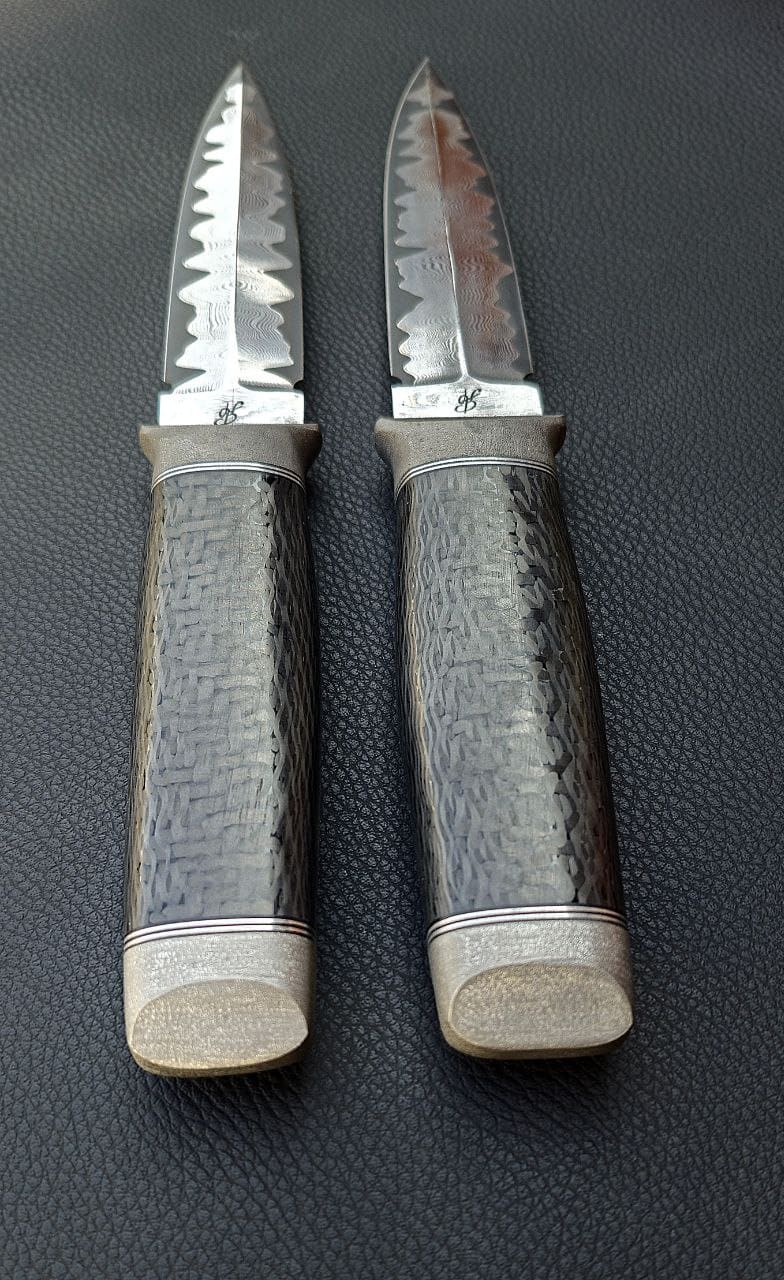
Основу матеріалу складають нитки вуглецевого волокна, середньою товщиною 0,005-0,010 мм у діаметрі. Вуглецеві волокна виготовляються внаслідок складного процесу термообробки. Основне волокно (поліакрил, віскоза) спочатку піддається окисленню повітря при температурі 250 °C протягом 24 годин. У результаті окислення утворюються сходові структури (полімери, макромолекули яких попарно пошиті регулярними хімічними зв'язками). Потім відбувається карбонізація (процес збагачення ниток вуглецем), який проходить при нагріванні волокна серед азоту або аргону при температурах від 800 до 1500 °C. Внаслідок карбонізації відбувається утворення графітоподібних структур (алотропних модифікацій вуглецю). Процес термічної обробки закінчується графітизацією (утворенням графіту в матеріалах, в яких вуглець міститься в розчиненому стані або у вигляді карбідів), вона проходить при температурі 1600-3000 ° C в інертному середовищі. Через війну графітизації кількість вуглецю у волокні доводиться до 99 %. Крім звичайних органічних волокон, для отримання ниток вуглецю можуть бути використані спеціальні волокна із фенольних смол, лігніну, кам'яновугільних та нафтових пеків.
%2C%2063%20HRC12.jpg)
Вуглецеві тканини у свою чергу отримують шляхом плетіння ниток або стрічок. При виробництві цих ниток за основу взято вуглецевий ровінг - джгут із тонких безперервних ниток вуглецевого волокна завтовшки від 3 мікрон, утворених атомами вуглецю. Після переплетення вони складають каркас вуглепластику. Кількість вуглецевого волокна нитки оцінюється числом «К» — кількістю тисяч елементарних вуглецевих волокон. Найтонше і найдорожче вуглецеве волокно - 1К, найбільш поширене вуглецеве волокно 3К, існують також нитки з вуглецевого волокна з К = 6, 12, 24, 48. Тканина, виготовлена з ниток, може мати різноманітний малюнок плетіння (ялинка, рогожа, плетіння та ін). Для надання ще більшої міцності тканини нитки вуглецю кладуть шарами, щоразу змінюючи кут напряму плетіння. Шари скріплюються за допомогою епоксидних смол. Така структура карбону дає можливість армувати волокно додатковими елементами, що зміцнюють його структуру і надають різні кольори і фактуру поверхні. Цими матеріалами можуть бути різні нитки, блискітки, полімерні матеріали різних кольорів.
Основними методами виготовлення карбонових пластин є:
- Пресування, при якому тканина вистилається у форму, попередньо змащену так званим антиадгезивом, призначеним для зменшення зчеплення поверхонь один з одним. Їм може бути мило, віск тощо. Потім тканина просочується смолою, а її надлишки видаляються у вакуумі (вакуум-формування) або під тиском. Після полімеризації смоли виріб набуває закінченого вигляду.
- Вакуумна інфузія дозволяє створювати ламінатний пакет накладенням шарів тканини один на одного і під шари подається вакуумне розрядження. Потім через клапан подається сполучна речовина і під дією вакууму воно заповнює порожнечі і просочує вуглецеву тканину.
- Вакуумне формування, є склеювання шарів при високих температурах і потім вплив вакуумом для формування обсягу виробу. Цей спосіб є одним із найдешевших.
- Метод намотування, який полягає у намотуванні просоченого ровінгу на попередньо підготовлену форму. Після намотування потрібного числа шарів форма з намотаною тканиною поміщається в нагрівальну піч і полімеризується.
- Метод SMC/BMC полягає в приміщенні тканини в прес-форму, нагріту до робочої температури. Прес-форма замикається, у результаті під тиском матеріал розтікається в порожнини форми і твердне. Наприкінці циклу виріб витягується з прес-форми, і виробляється його остаточна механічна обробка та фарбування.
Карбонове волокно застосовується у різних сферах. Зокрема, в авіа та ракетобудуванні, при виробництві деталей корпусу автомобілів та мотоциклів, побутової техніки та високотехнологічних дослідницьких приладів. І вже близько 20 років карбон широко застосовується у виготовленні рукояток ножів середнього та преміального сегмента. При цьому на доладних ножах карбон може бути як у вигляді накладок на сталеві лайнери, так і у вигляді єдиного матеріалу рукояті, закріпленого гвинтами через бонки.
Карбон, що йде на виготовлення ножів, крім своїх основних характеристик міцності, повинен мати ще й досить привабливий зовнішній вигляд. Саме цей фактор збільшує його вартість, ускладнюючи технологію виробництва та вимагаючи найякісніших вихідних матеріалів. Для проклеювання шарів використовуються найдорожчі та якісні смоли, та дорожче обладнання, зокрема хімічні реактори (автоклави). Крім того, для підвищення зчеплення з рукою карбон піддають піскоструминній обробці, що також збільшує витрати на виробництво. Необхідно також пам'ятати, що робота з карбоном вимагає обов'язкового захисту органів дихання та спеціальних приміщень із гарною вентиляцією, і це також веде до зростання ціни.
Колірна палітра та текстура карбону, що використовується на ножах, може бути різноманітною. Серед різновидів карбону застосовуються:
Мозаїчний карбон, який може бути як однотонним, і різнобарвним. Такий карбон застосовується для радіусних проставок на ножах із складними багатосекційними ручками. У цьому карбоні можуть застосовуватися кілька технологій фарбування.
Мармуровий карбон - являє собою хаотичне сплетення карбонових ниток, кожна з яких по-різному відображає світло, що дає йому можливість блищати під різними кутами огляду.
Карбон Lightning Strike («удар блискавки») з мідною ниткою у вигляді сітки, вплетеної у вуглеткань по всьому її об'єму. Зовнішньо аналогічний застосовуваному у фюзеляжах американських літаків для захисту від ударів блискавок. Це тонкий карбон, завтовшки 3,2 мм саржевого плетіння. Має глибокий і яскравий малюнок.
Як і будь-який дорогий і при цьому складний у виготовленні матеріал, карбон має ряд недоліків. При виробництві вуглепластиків необхідно дуже суворо витримувати технологічні параметри, при порушенні яких властивості міцності виробів різко знижуються. Для контролю якості виробів можуть застосовуватись ультразвукова дефектоскопія, рентгенівська та оптична голографія, а також акустичний контроль. Без них виробник працює «на дотик» і може не помітити прихованих дефектів. Іншим серйозним недоліком вуглепластиків є їхня низька стійкість по відношенню до ударних навантажень. Також необхідно пам'ятати, що згодом карбон вицвітає і може суттєво втрачати свою головну перевагу – привабливий зовнішній вигляд. Однак, незважаючи на ці недоліки, карбон по праву є преміальним матеріалом для кращих ножів.
Титан
%2C%2063%20HRC6.jpg)
-
Висока міцність:Титан має високу міцність і добре протистоїть деформації, що робить його "металлом майбутнього".
-
Біосумісність:Титан добре переноситься людським організмом, завдяки чому його використовують у медицині для створення імплантатів та хірургічних інструментів.
-
Легкість:Титан значно легший за сталь, маючи при цьому вищу міцність.
-
Корозійна стійкість:Він стійкий до дії більшості кислот і лугів, а також у морській воді.
-
Аерокосмічна галузь:Використовується для виготовлення літаків, суден та інших компонентів, що вимагають легкості та міцності.
-
Медицина:Широко застосовується для створення протезів, штучних кісток та хірургічних інструментів завдяки своїй біосумісності.
-
Хімічна промисловість:Використовується для виготовлення реакторів, теплообмінників та трубопроводів.
-
Спортивні товари та споживчі товари:Застосовується для виробництва велосипедів, спортивного інвентарю та інших виробів.
-
Будівництво та архітектура:Використовується як декоративний матеріал та для облаштування фасадів.
Якісні та оригінальні накладки зі сталі є чудовою прикрасою ексклюзивних та неповторних ножів майстерні Майстерня авторських ножів GRYFON (Україна), який пропонує замовити та купити інтернет-магазин https://knife.net.ua
| Характеристики ножа | |
| Матеріал леза: | - Клинок - мозаїчний дамаск Damasteel — вид сталі з видимими неоднорідностями на сталевій поверхні, найчастіше у вигляді візерунків, одержаних різними способами. Дамастіл (Damasteel), що вказує на високоякісну нержавіючу дамаську сталь, відому своєю міцністю, гнучкістю та естетичною текстурою |
| Довжина леза: | 105 мм |
| Загальна довжина клинка mm: | 245 мм |
| Твердість клинка (HRC): | Загартованість - 63 HRC |
| Матеріал руків'я | Тимаскус (Timascus): Титановий дамаск — високодекоративний, легкий та стійкий до корозії матеріал. Карбон (Carbon Fiber): Легкий, міцний та сучасний композитний матеріал. Титан: Міцний, легкий та корозійностійкий метал, часто використовується для лайнерів та больстерів. Осьовий механізм: Керамічний підшипник, в детенті також керамічна кулька. Гарантує надзвичайно плавне, швидке та надійне відкриття/закриття клинка. |
Написати відгук
Рекомендовані товари


Доставка і оплата
Доставка і оплата
Доставка Новою Поштою
Швидкість доставки в будь-яке відділення Нової пошти в Україні фіксується оператором, але зазвичай не перевищує 1-3 календарних днів.
Готівкою
Оплата готівкою при отриманні товару.
Післяплатою на Новій Пошті (при собі необхідно мати паспорт або водійське посвідчення).
Visa и MasterCard
Оплата замовлення на карту Приват Банку.
Доставка товару можлива тільки після підтвердження платежу.